
Internal Audits for Management Systems
External auditors for ISO 19011, ISO 50001, ISO 14001 and integrated management systemsINOPCO conducts internal audits for management systems in industry, chemical production, manufacturing, hospitals and multi-site organizations. You receive a structured audit, clear findings and a robust report for management review, corrective actions and certification preparation.
The service is aimed at energy managers, environmental management representatives, facility management, technical managers and purchasing departments that need to reliably meet internal audit obligations while reducing internal workload.
Direct Answer
An internal audit checks whether a management system is implemented in conformity with the standard, effectively operated and used for improvement. INOPCO takes over planning, execution and audit reporting as an external internal auditor.
For whom?
Industry, chemical production, manufacturing, hospitals, healthcare facilities and companies with multiple sites in Central Germany and throughout Germany.
Result
Audit plan, on-site audit, interviews, samples, findings assessment and a site-specific audit report with nonconformities, observations and improvement opportunities.
Why Use External Support for Internal Audits?
Meet audit obligations, avoid operational blindness and prepare for recertification
Internal audits are regularly expected in certified management systems. In practice, the time required for document review, interviews, technical site inspection and report preparation is often underestimated. Gaps become visible at the latest before surveillance or recertification audits.
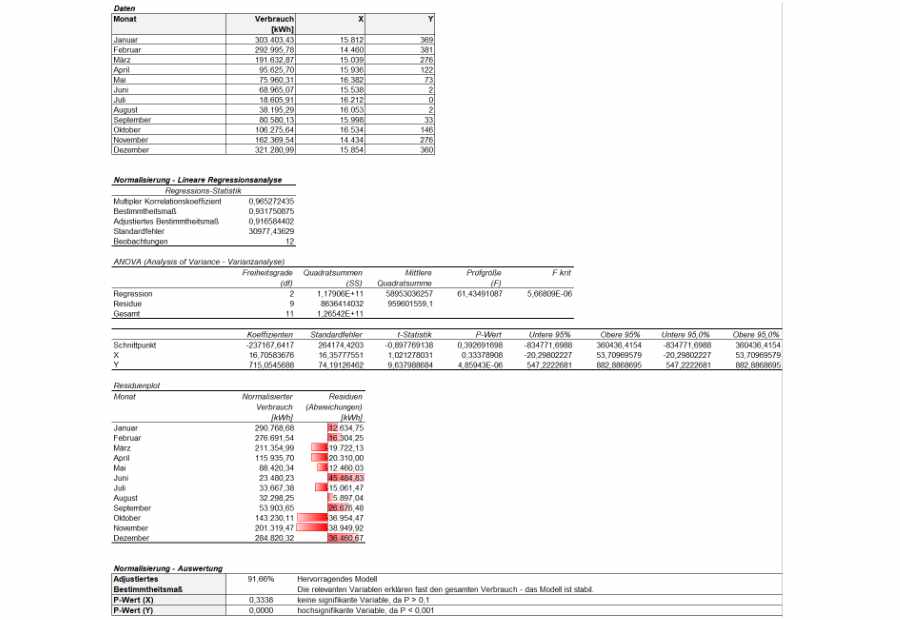
An external perspective helps avoid operational blindness and classify new requirements early. This applies particularly to ISO 50001, where energy review, EnPIs, SEUs, normalization, regression analysis, VALERI, waste heat and legal requirements are becoming more demanding.
- Relief for energy managers, environmental managers and facility management
- Independent assessment instead of internal operational blindness
- Knowledge transfer through experienced auditors
- Report as basis for management review and corrective actions
Audit Focus by Management System
Clear structure by audit methodology, management system and technical audit requirementsISO 50001 Energy Management
Auditing of energy policy, energy review, SEUs, EnPIs, energy baselines, energy objectives, action plans, procurement, planning, monitoring and improvement of energy performance.
- DIN EN ISO 50001:2018 and A1:2024
- EnPI, EnB, SEU, normalization and regression analysis
- Preparation for surveillance audit or recertification
ISO 14001 Environmental Management
Auditing of environment-related processes, compliance obligations, environmental aspects, objectives, operational control, emergency preparedness, compliance interfaces and integration with energy or quality management systems.
- Environmental management systems and compliance interfaces
- Industry, chemicals, production and technical sites
- Integration into combined management systems
ISO 19011 Audit Methodology
Audit planning and execution are methodically aligned with ISO 19011 guidance: audit principles, audit programme, audit plan, interviews, sampling, objective evidence and documented findings.
- Structured audit planning and traceable sampling
- Classification of nonconformities, observations and opportunities
- Audit report for management review and action tracking
Scope: Internal ISO 50001 Audit at a Site
Planning, execution and documentation from one sourceThe internal audit evaluates whether the site-relevant requirements of the energy management system are implemented in conformity with the standard, integrated into operational processes, effectively maintained and used to improve energy performance.
Audit Preparation
Coordination of audit objectives, audit criteria, audit scope, audit plan and required documents.
On-Site Audit
Interviews, samples, document review and technical inspection of selected systems and areas.
Energy Performance
Review of selected energy consumption data, EnPIs, EnBs, SEUs, energy objectives and action plans.
Audit Report
Documented findings with nonconformities, observations, improvement opportunities and objective evidence.
Internal Audit Process
clear process, low internal workload, reliable result1. Define audit objectives
Audit scope, site, standard basis, audit criteria and relevant processes are agreed.
2. Review documents
Certification reports, energy policy, energy review, objectives, indicators and open actions are checked.
3. Prepare audit plan
The audit plan defines times, interview partners, areas, samples and technical site inspections.
4. Conduct audit
Processes, evidence, technical areas, indicators and responsibilities are assessed through sampling on site.
5. Assess findings
Nonconformities, observations, positive findings and improvement opportunities are classified.
6. Deliver report
The audit report serves as evidence, input for management review and basis for corrective actions.
For Industry, Hospitals and Multi-Site Organizations
Technical depth for energy, environment, facility management and procurement decisionsIn industry, chemical production and manufacturing, key audit questions often lie in technical details: plant operation, energy use, metering concepts, waste heat, procurement, maintenance, utilities, operational control and improvement of energy performance.
In hospitals and healthcare facilities, supply reliability, building services, ventilation, heat, cooling, emergency power, operating costs and traceable management processes are key. In multi-site structures, the distinction between site audit, central processes and systemic relevance is also crucial.
What the Audit Report Delivers
Traceable assessment instead of a mere checklist- Audit objectives, audit criteria and audit scope
- Audit date, reviewed period, involved persons and functions
- Reviewed processes, areas, systems and documented information
- Samples and objective evidence used
- Positive findings and proven approaches
- Nonconformities, observations and improvement opportunities
- Assessment of conformity and effectiveness
- Indication of potential systemic relevance in multi-site structures
Relevant References
Internal audits and ISO 50001 projects from healthcare and chemical industry
Internal ISO 50001 Audit in a Hospital
Internal audit of an energy management system according to ISO 50001 in healthcare with audit report and certification preparation.
View Reference
Internal ISO 50001 Audit in Chemical Industry
Internal audit of an energy management system in food/non-food production with focus on effectiveness and management system structure.
View Reference
ISO 50001 Workshops in Chemical Industry
Workshops for implementing an energy management system with gap analysis, energy review, SEUs, EnPIs and certification preparation.
View Reference