

Energy Audit according to DIN EN 16247
Structured energy analysis, measure evaluation and audit reporting for companies and sitesINOPCO conducts energy audits according to DIN EN 16247 for production sites, branch operators, industry, chemicals, healthcare and multi-site organizations. The objective is a robust overview of energy uses, savings potential and economically assessable measures.
The energy audit is suitable for companies subject to audit obligations under EDL-G as well as organizations that want to systematically assess their energy costs, efficiency potential and obligations under EnEfG, management systems or internal sustainability strategies.
Direct Answer
An energy audit according to DIN EN 16247 analyses energy consumption, energy use and efficiency potential of an organization or site. The result is an audit report with measures and a traceable assessment.
For whom?
For industry, production, chemicals, branch operators, hospitals, healthcare facilities, multi-site companies and operators of energy-intensive buildings, systems and processes.
Result
Data basis, site inspection, analysis, savings measures, economic assessment, prioritisation and audit report for management, procurement, technical teams and documentation purposes.
Combine Compliance, Deadlines and Efficiency Potential
Energy audit as a robust basis for decisions and evidenceUnder the German Energy Services Act, certain companies are required to conduct an energy audit at least every four years. Companies that have established or started implementing an energy or environmental management system may be exempt under certain conditions.
At the same time, requirements from the German Energy Efficiency Act are gaining importance: implementation plans for economically identified savings measures, waste heat topics, VALERI according to DIN EN 17463 and the possible transition to ISO 50001 or EMAS must be classified early.
- Check compliance and documentation capability under EDL-G
- Derive measures for energy efficiency and operating cost reduction
- Classify EnEfG requirements, implementation plans and ISO 50001 strategically
- Use the audit report as a decision basis for management and procurement
Scope of Energy Audit DIN EN 16247
From data collection to audit reportAudit Preparation
Coordination of objective, scope, site structure, contact persons, data requirements, balance boundaries, schedule and relevant company areas.
Energy Data
Recording and plausibility checking of electricity, heat, cooling, fuels, process energy, load profiles, meters and site-related consumption data.
Site Inspection
Inspection of selected buildings, systems, production areas, technical centres, cross-sectional technologies and relevant energy consumers.
Analysis
Assessment of significant energy uses, load profiles, operating hours, consumer groups, indicators, influencing factors and technical optimisation approaches.
Measure Evaluation
Development and assessment of energy efficiency measures with saving effect, cost framework, priority, feasibility and economic viability.
Audit Report
Summary of methodology, data basis, analysis, site inspection, savings measures, evidence and recommendations in a traceable report.
Energy Audits for Production, Branch Structures and Healthcare
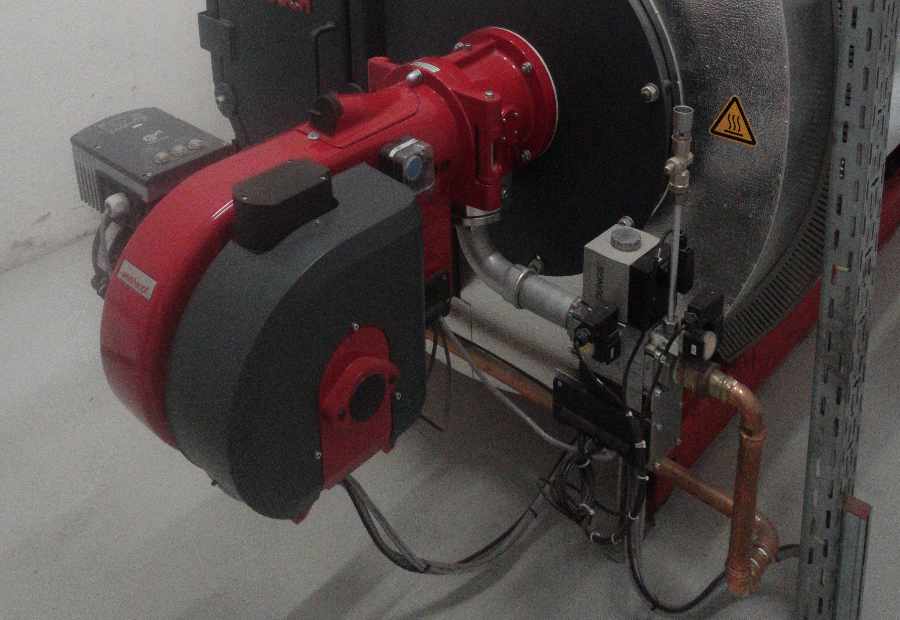
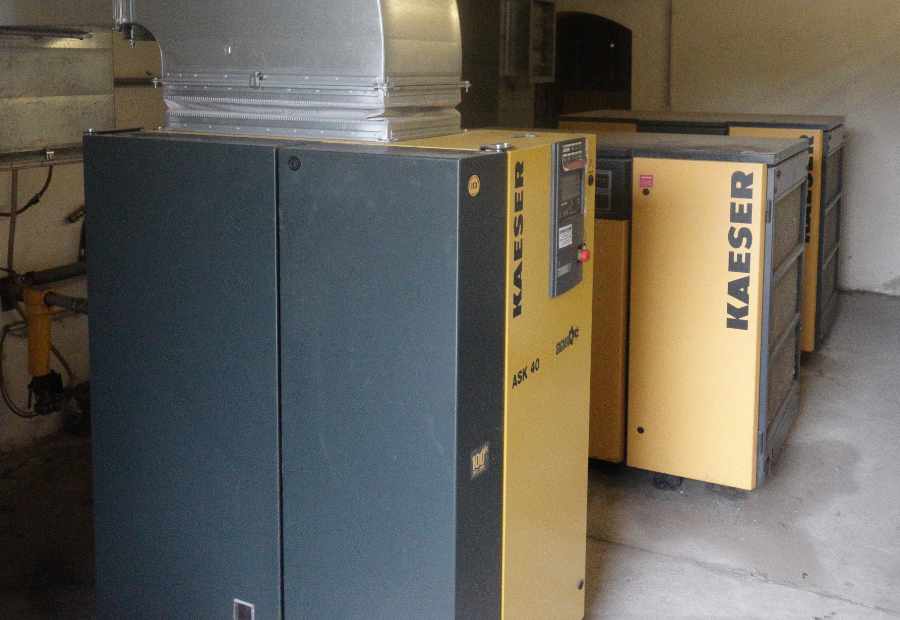
different sites, different energy driversIn production and chemical companies, significant energy consumption is often caused by processes, utility supply, compressed air, heat, cooling, ventilation, pumps, drives, storage, cleaning and auxiliary equipment. Energy efficiency measures must fit production operations and plant availability.
In branch organizations, the challenge lies in data structure, site selection, comparability and transferability of measures. In hospitals and healthcare facilities, supply security, building services, ventilation, heat, cooling and operating hours determine the assessment.
Energy Audit Process
clear process, reliable data basis, usable report1. Define audit scope
Sites, energy sources, data availability, contact persons, balance boundaries and legal classification are agreed.
2. Collect data
Energy consumption, invoices, load profiles, meters, system lists, floor areas, operating hours and production data are recorded in a structured way.
3. Inspect site
Technical systems, consumers, operating modes, interfaces and conspicuous efficiency potential are evaluated on site.
4. Analyse energy uses
Consumption is structured, significant consumers are identified and technical as well as organizational influencing factors are assessed.
5. Derive measures
Savings measures are described, energetically assessed, prioritised and checked for economic and operational feasibility.
6. Prepare report
The audit report documents methodology, data, results, measures, evidence and recommendations for further decisions.
What the Audit Report Delivers
from consumption analysis to actionable measure list- Audit scope, methodology and data basis
- Overview of energy sources and energy consumption
- Assessment of significant energy uses and consumer groups
- Results from site inspection and interviews
- Concrete energy efficiency measures and recommendations
- Estimation of savings potential, costs and economic viability
- Prioritisation by benefit, effort and feasibility
- Basis for management decisions and implementation plans
Relevant References
Energy audits for production, chemicals and branch operators
Energy Audit Non-Food Production
Energy audit according to DIN EN 16247 for a production site in the chemical products sector with analysis of energy uses and PV assessment.
View Reference
Energy Audit Retail Branch Operator
Energy audit according to DIN EN 16247 for a Germany-wide retail branch operator with multi-site approach.
View Reference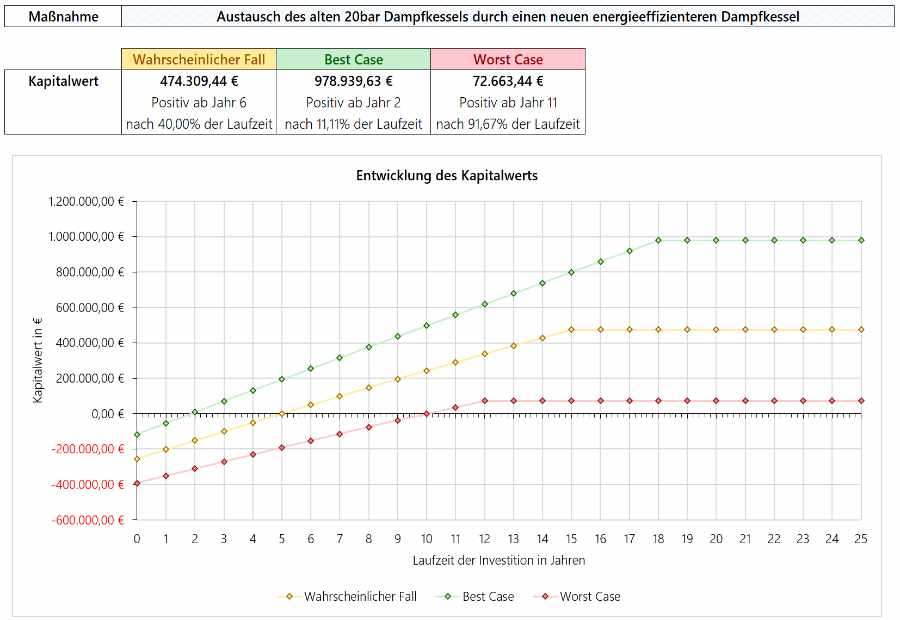
ISO 50001 Workshops Chemical Industry
Workshops for implementing an energy management system with energy review, SEUs, EnPIs and certification preparation.
View Reference