
Workshops for Introducing an Energy Management System according to ISO 50001
Practical EnMS implementation for a chemical industry production siteFor a site in the manufacture of other chemical products, INOPCO designed and moderated practical workshops for introducing an energy management system according to DIN EN ISO 50001.
The trigger resulted from the German Energy Efficiency Act: due to the total energy consumption, the introduction of an energy or environmental management system was required. The objective was not only formal compliance with the standard, but the development of an effective EnMS that can be integrated into the existing ISO 9001 and ISO 14001 management systems.
Request an ISO 50001 Project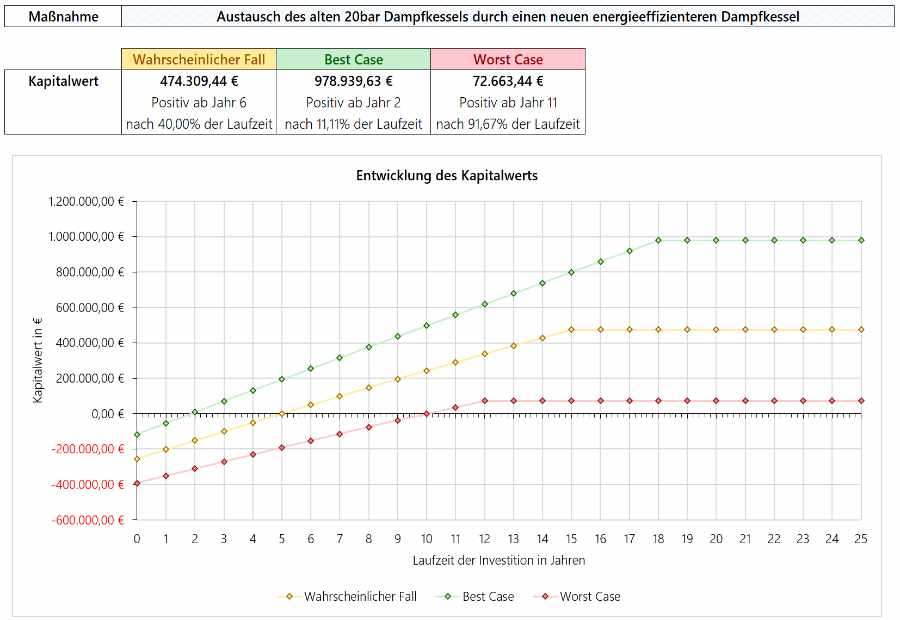
Trigger
Introduction of a management system under Section 8 EnEfG due to total final energy consumption.
Standard Basis
DIN EN ISO 50001 with PDCA cycle, energy policy, energy planning and continual improvement.
Integration
Harmonisation with existing ISO 9001 and ISO 14001 management systems.
Site
Production in food and non-food areas with regulatory interfaces and municipal utility involvement.
From Kickoff to an Applicable EnMS Structure
After a gap analysis, the implementation project was divided into consecutive phases. Each workshop combined standard requirements, site reality and concrete work results.
Strategy and Embedding
Context, stakeholders, opportunities and risks, scope, energy policy and responsibilities.
Current Energy Management Status
Data collection, site inspections, energy objectives, energy review and energy baseline.
Target Energy Management Status
SEUs, EnPIs, energy programme, measure evaluation, economic assessment and employee awareness.
Evaluation and Monitoring
Monitoring, measurement, analysis, management review, internal audit and certification preparation.
Four Phases Instead of Isolated Measures
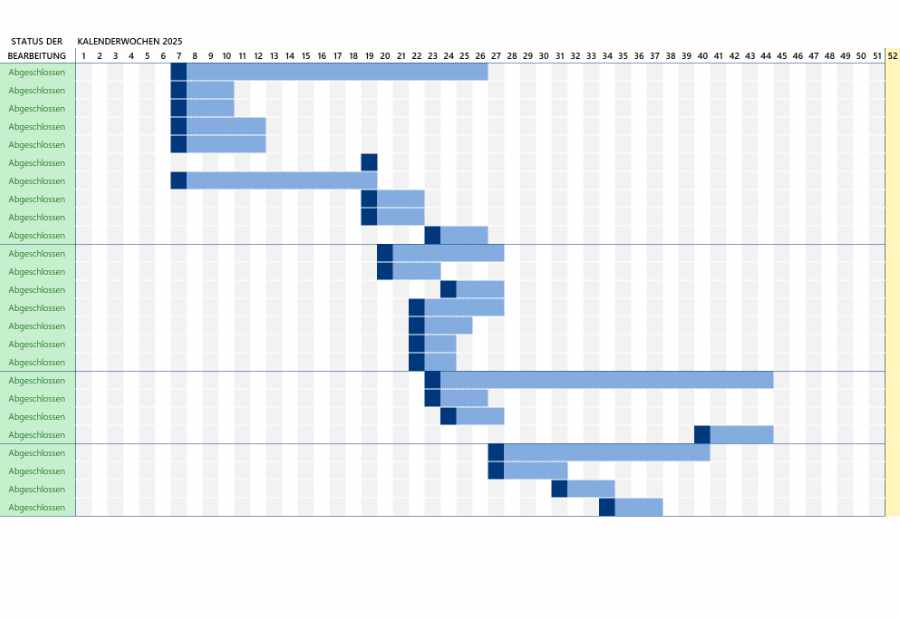
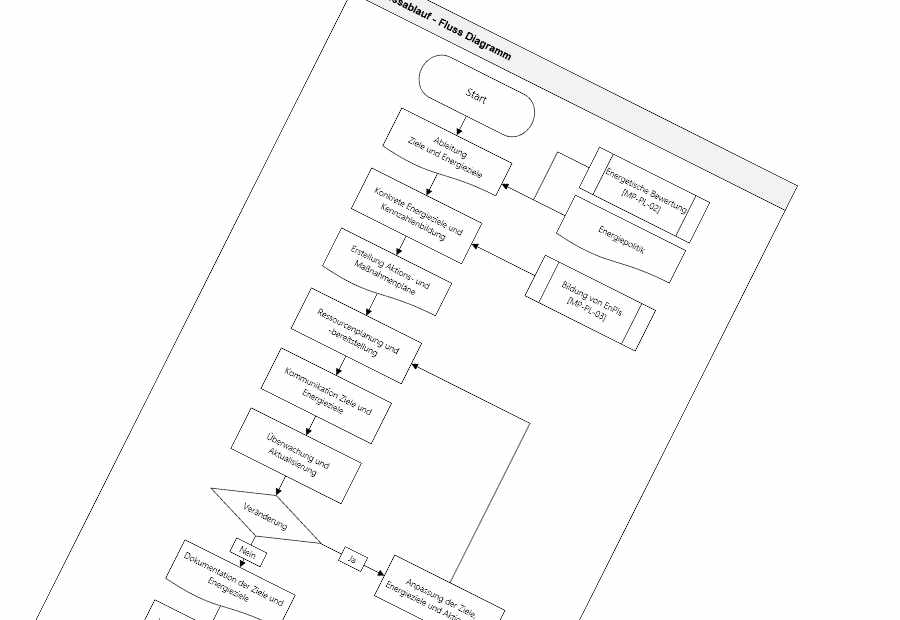
The EnMS was set up as a structured implementation projectThe workshop series was developed as a project structure: first, strategic foundations, responsibilities, competences, legal register, energy policy and internal communication were embedded. This was followed by current-state assessment, energy review and energy objectives.
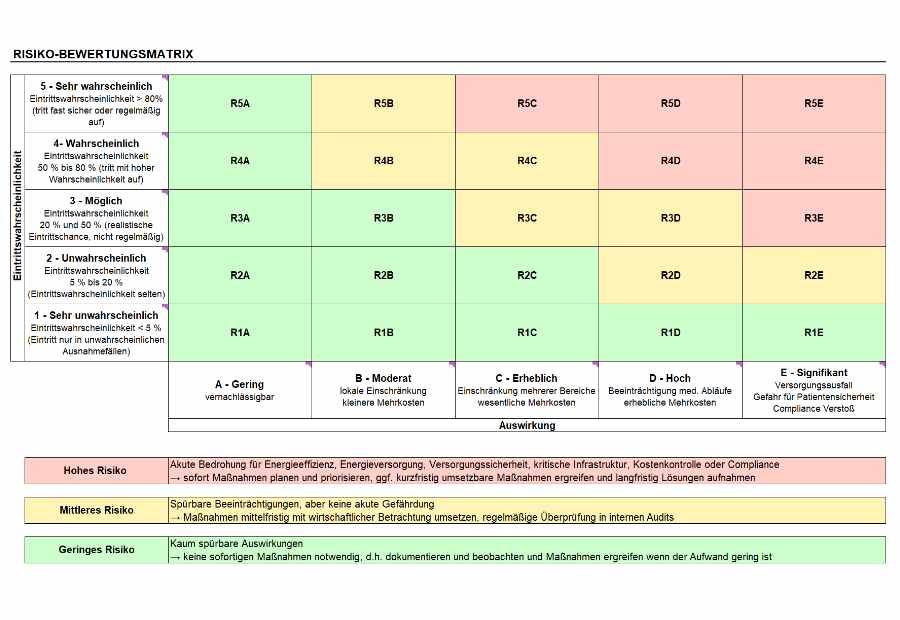
In the next step, significant energy uses, energy performance indicators, measures and the energy programme were specified. Finally, management review, internal audit, nonconformities, corrective actions and preparation for external certification were addressed.
Technical Focus of the Implementation
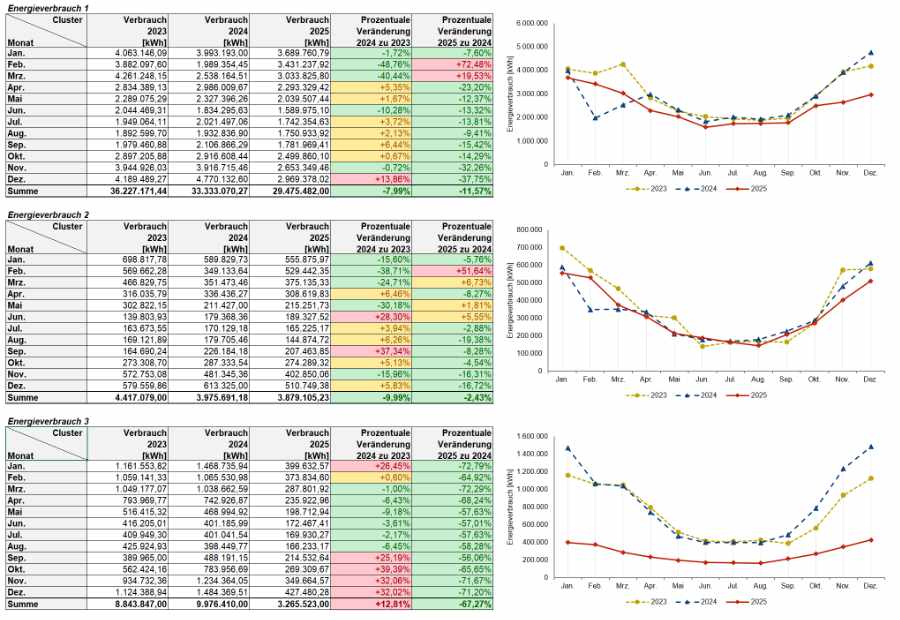
From energy consumption to controllable energy performanceOne focus was the energy review: data was collected, evaluated and transferred into an energy baseline. This allowed energy objectives, significant energy uses and energy performance indicators to be derived.
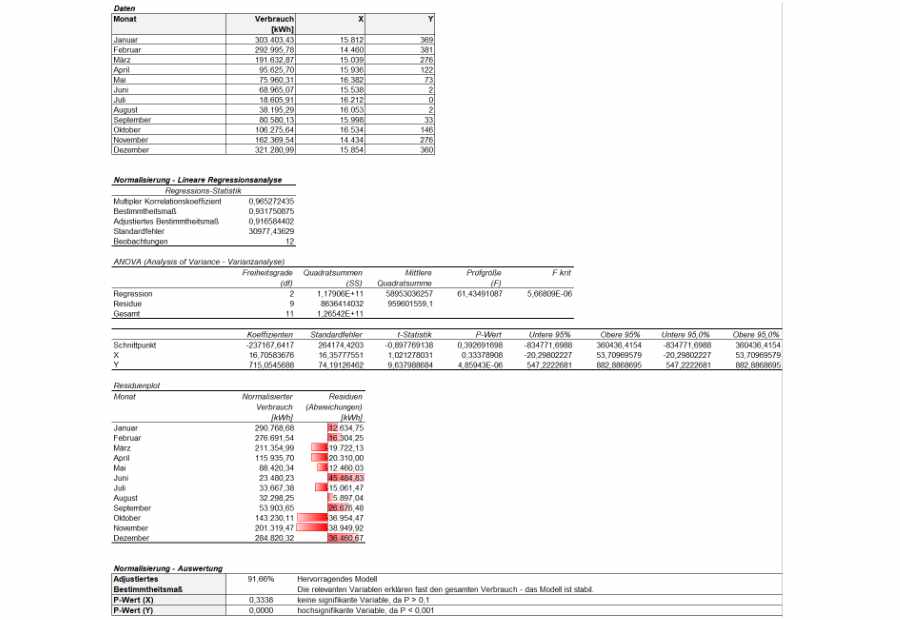
Methodical approaches such as normalisation and regression analysis were considered for evaluating energy performance. This makes it possible to assess consumption trends not only in absolute terms, but also in relation to influencing factors and operating conditions.
- Energy review and energy baseline
- Definition of significant energy uses and energy performance indicators
- Action programme with energy objectives and economic evaluation
- Preparation of management review, internal audit and certification
Result
The company received a structured basis for implementing the energy management system and preparing further certification steps.
- Workshop series for introducing an EnMS according to DIN EN ISO 50001
- Prepared harmonisation with ISO 9001 and ISO 14001
- Energy review, baseline, SEUs and EnPIs technically structured
- Energy programme, measure evaluation and employee awareness established
- Management review, internal audit and external certification prepared