

AwSV / WHG Planning for Industrial Facilities in Germany
retention, sealed surfaces, AwSV expert coordination, certified specialist contractors and authority notification under German water lawINOPCO supports operators, clients and project teams in planning facilities handling substances hazardous to water in Germany. The focus is on reliable facility definition, technical retention, sealed surfaces, substance assessment, expert coordination and implementation support.
AwSV/WHG planning is a specific German legal issue. It is based on the German Water Resources Act, the AwSV, German authority practice, technical rules, inspection duties and certified specialist contractor requirements.
INOPCO structures these services similarly to the HOAI logic: from basic assessment through concept, authority notification, execution documents and specialist contractor coordination to implementation support and documentation.
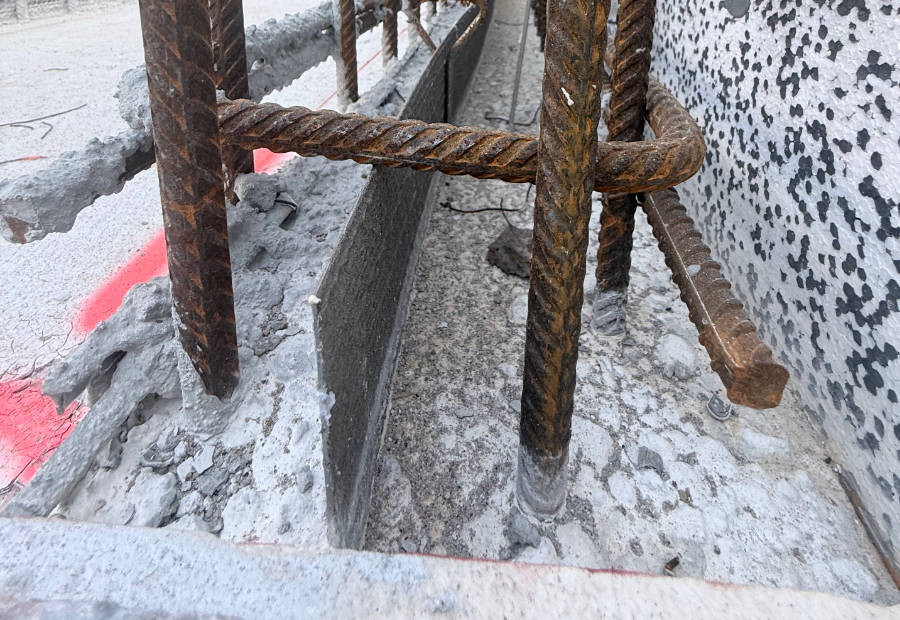
Direct Answer
AwSV/WHG planning ensures that facilities handling substances hazardous to water can be planned, notified, inspected, executed and operated in line with German water-protection requirements.
For whom?
For operators of industrial facilities, tank farms, filling areas, process plants, chemical, production, energy and storage sites handling substances hazardous to water in Germany.
Result
Facility definition, substance assessment, hazard level, retention concept, sealed surface concept, expert coordination, authority notification and implementation basis.
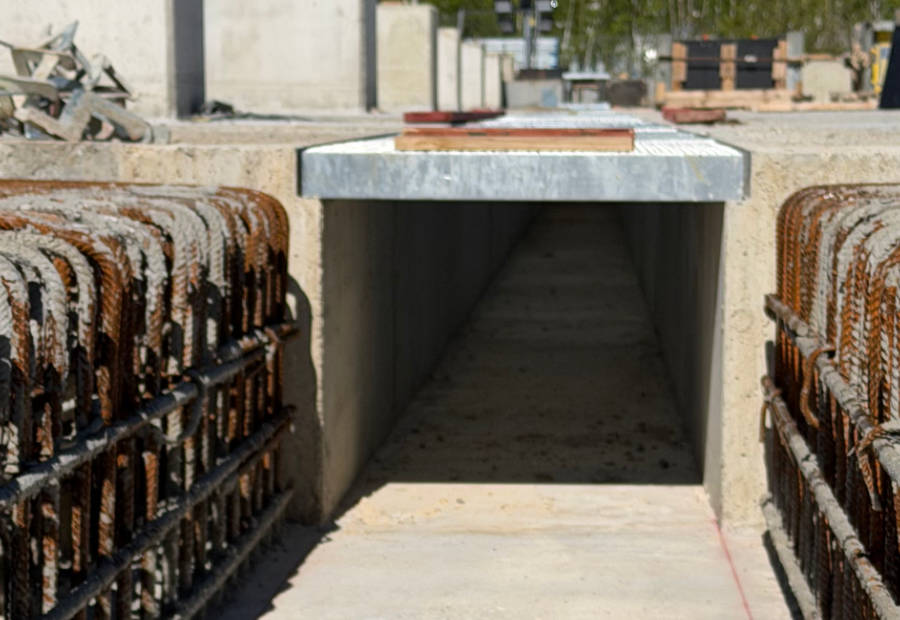
German Legal Framework: WHG and AwSV
water protection, generally accepted technical rules and operator obligations in GermanySection 62 of the German Water Resources Act requires facilities handling substances hazardous to water to be designed, constructed, maintained, operated and decommissioned so that adverse changes to water properties are not to be expected. The AwSV specifies these requirements for facilities, substances, hazard levels, inspection duties, authority notification, experts and specialist contractors.
For international and German clients, this means that the planning package must translate technical plant requirements into a German legal and technical compliance structure. Facility boundaries, substances and quantities, retention systems, sealed surfaces, drainage, incident scenarios, expert inspections and certified contractor interfaces must be coordinated early.
- WHG: German statutory basis for protecting water bodies when handling substances hazardous to water
- AwSV: German federal ordinance covering facilities, substances, hazard levels, notifications and inspections
- Technical rules: DWA TRwS, DWA-A 786, DAfStb guidelines and German technical building provisions
- Execution: certain activities are reserved for WHG-approved or AwSV-certified specialist contractors
AwSV Planning Structured Similar to HOAI
structured development of planning, notification, execution preparation and implementation support1. Basic Assessment
Record site, existing conditions, facility type, substances, quantities, water hazard classes, operating mode, drainage, authority status and existing documents.
2. Preliminary Planning / Feasibility
Review AwSV relevance, facility definition, hazard level, retention requirements, sealed surfaces, drainage and possible approval or authority risks.
3. Concept Planning
Coordinate retention concept, sealed surface concept, leak detection, incident areas, pipework, fittings, drains and operational organization.
4. Authority Notification
Prepare required information on operator, site, facility boundaries, substances, usability evidence and technical and organizational safety measures.
5. Execution Documents
Prepare drawings, details, material and construction requirements, tender basis and interfaces with building and structural design.
6. Specialist Contractor Coordination
Involve WHG/AwSV specialist contractors, clarify execution details, coordinate documentation requirements and support implementation.
7. Expert Coordination
Involve AwSV experts early, clarify inspection scope and documents, feed back planning status and support inspection preparation.
8. Implementation Support
Coordinate execution, specialist contractor, evidence, photo documentation, acceptances, defects and handover documents project-specifically.
9. Operator Documentation
Prepare operating instructions, information sheets, inspection documents, as-built documentation and evidence structure for operation.
Scope of AwSV / WHG Services
technical planning, regulatory alignment and interface coordination from one sourceFacility Definition
Define storage, filling, transfer, manufacturing, treatment and use facilities including pipework, ancillary facilities and drainage.
Substances & Water Hazard Classes
Record substances hazardous to water, quantities, containers, physical states, safety data, water hazard classes and operating states.
Retention
Develop retention spaces, containment trays, incident areas, overfill protection, leak detection and organizational safety measures.
Sealed Surfaces
Select suitable construction types and details for sealed surfaces based on exposure, substances, use, cleaning, drainage and technical rules.
Notification & Documents
Prepare authority notification, technical descriptions, drawings, usability evidence, operational organization and inspection documents.
Experts & Contractors
Coordinate AwSV experts, WHG-certified specialist contractors, construction companies, operator, authority, building design, MEP and structural engineering.
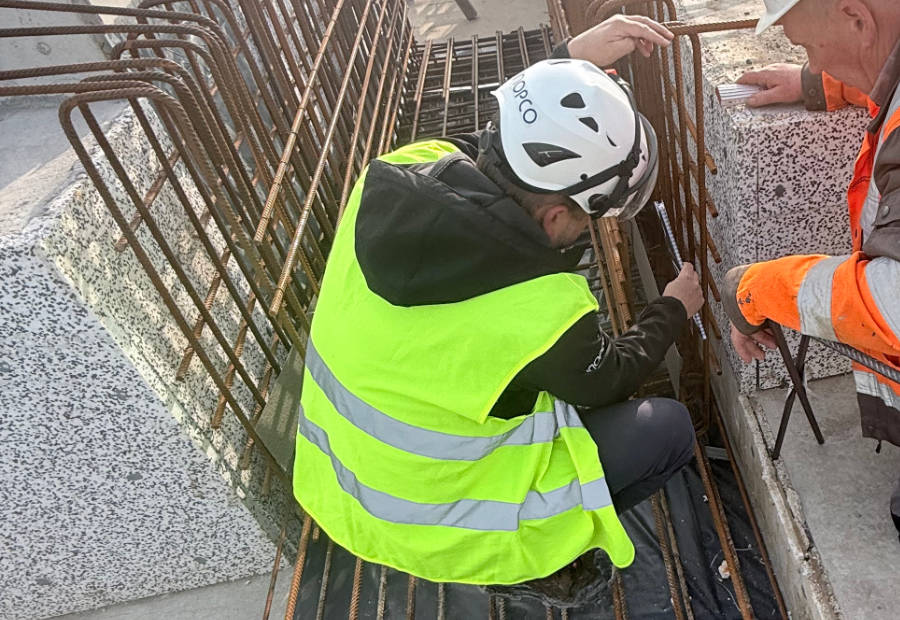
Specific Feature: AwSV Experts and Certified Contractors
integrating inspection, execution and documentation early in planningFor facilities subject to inspection, the AwSV expert is a key interface. The expert assesses the facility based on inspections, documents defects and may identify dangerous defects. Expert requirements should therefore be considered during planning, not only after execution.
Certain work on facilities and facility components may only be carried out by certified specialist contractors. INOPCO plans this interface, prepares execution and tender documents and supports the specialist contractor and expert on behalf of the client.
- early expert coordination before cost-intensive execution
- tender and execution documents suitable for certified specialist contractors
- feedback of inspection notes into planning and execution
- documentation for operator, authority and recurring inspections
Technical Rules and Requirements
planning based on WHG, AwSV and recognized German technical rulesDWA TRwS
Technical rules for substances hazardous to water specify requirements for certain facility types, construction methods and operational measures.
DWA-A 786
For planning sealed surfaces, TRwS 786 on the execution of sealed surfaces is particularly relevant.
DAfStb / MVV TB
For concrete construction and sealed surfaces, the DAfStb guideline on concrete structures for substances hazardous to water and German technical building provisions may become relevant.
Relevant References
AwSV, WHG, tank farms, process plants and approval-relevant industrial planning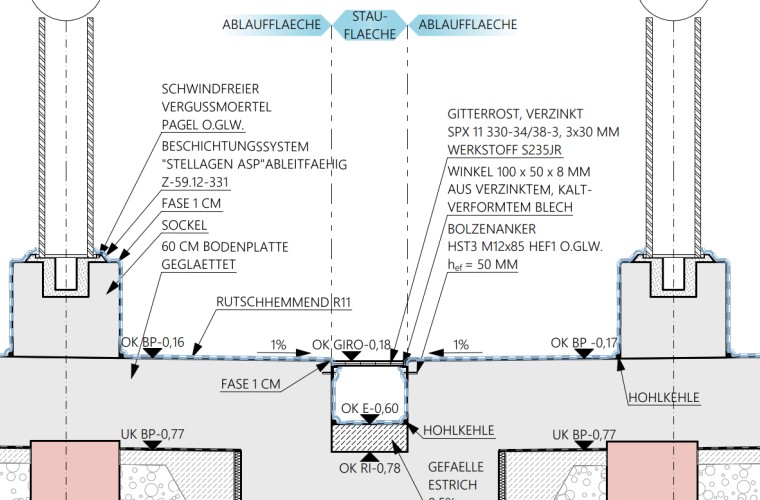
AwSV / WHG Tank Farm
Planning and documentation for tank farms and process plants handling substances hazardous to water.
View Reference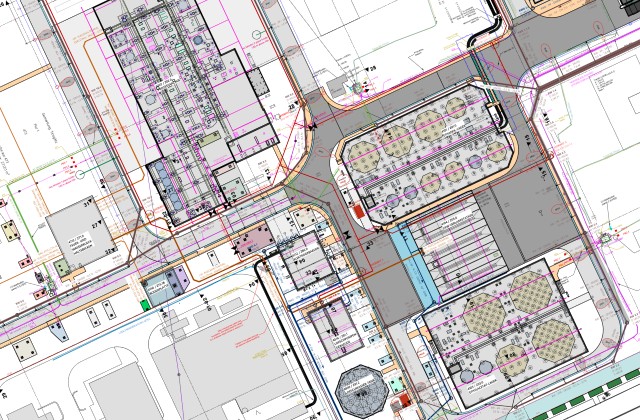
BImSchG New Production Facility
Approval planning for a production facility with typical interfaces to AwSV, WHG, building design and specialist authorities.
View Reference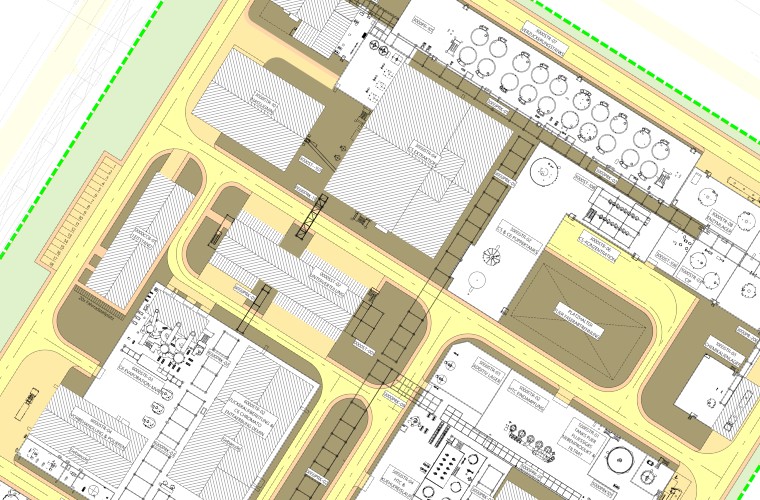
Biorefinery Saxony-Anhalt
Building permit application, technical coordination and industrial planning for a complex production and plant project.
View Reference