

ISO 50001 in a Hospital: Implementation of an Energy Management System in Saxony
Energy management, certification preparation and external energy management representative roleFor a hospital in Saxony, INOPCO supported the implementation of an energy management system according to DIN EN ISO 50001 across the full range of normative and operational requirements.
The project covered several sites and external facilities with specific framework conditions resulting from hospital operations, critical infrastructure, listed buildings, energy supply and continuous operation. INOPCO supported the organisation as an external energy management representative and structured the energy management system along the PDCA cycle.
- Implementation of an energy management system according to DIN EN ISO 50001
- External role as energy management representative
- Energy review, energy objectives and energy performance indicators
- Normalisation, regression analysis and certification preparation
Sector
Healthcare and hospital operations
Location
Saxony, Germany
Standard
DIN EN ISO 50001
Special Context
Critical infrastructure and listed buildings
Project Assignment and Initial Situation
The hospital required a structured energy management system according to DIN EN ISO 50001 that considered both the normative requirements and the operational specifics of a healthcare site.
Specific requirements resulted from ongoing hospital operations, multiple sites, listed building structures, technical energy consumers and the importance of the facility as critical infrastructure.
Key Areas of the ISO 50001 Implementation
Standard requirements, data basis, energy objectives and operational implementation in hospital operationsEnergy Policy and System Structure
Development of the required system structure with energy policy, responsibilities, roles, processes and documentation for the energy management system.
- Definition of responsibilities
- Structuring of system documentation
- Alignment with the PDCA cycle
Energy Review
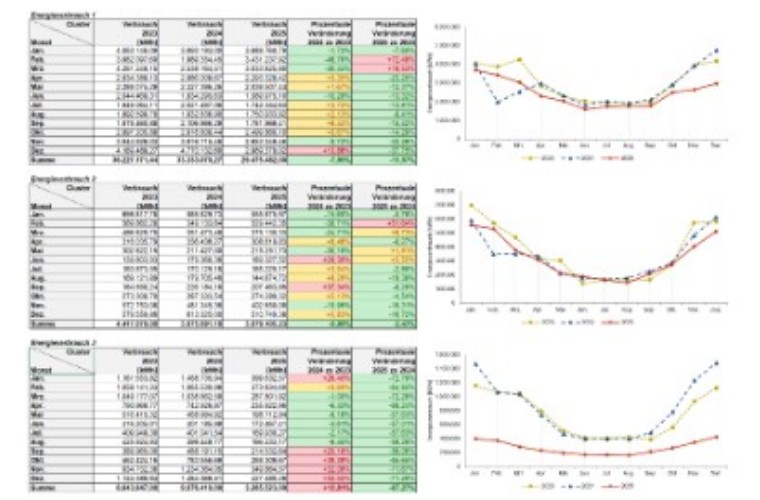
Analysis of energy consumption, significant energy uses and relevant variables to establish a reliable energy review.
- Assessment of significant energy uses
- Identification of relevant variables
- Basis for energy objectives and measures
Indicators and Normalisation
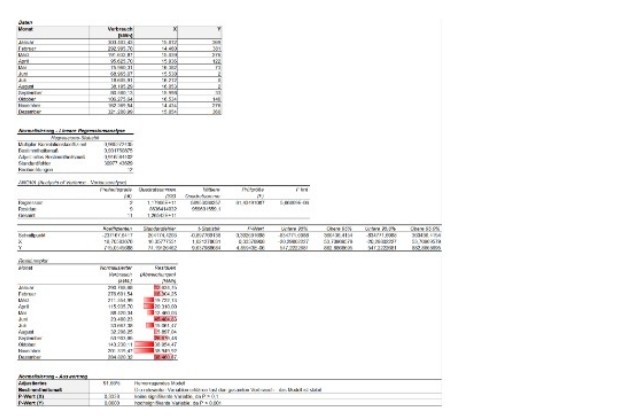
Development of suitable energy performance indicators and normalisation approaches for transparent evaluation of energy performance.
- Energy performance indicators
- Normalisation of consumption data
- Regression analysis to evaluate relevant variables
Energy Objectives and Measures
Support in deriving energy objectives, action plans and measures for the continual improvement of energy performance.
- Energy objectives and action planning
- Prioritisation of energy efficiency potential
- Tracking of implementation progress
External Energy Management Representative
Assumption of operational and coordinating tasks within the energy management system as external specialist support for the operator.
- Coordination of normative requirements
- Support for internal stakeholders
- Preparation of audits and management reviews
Certification Preparation
Preparation of the organisation for certification through structured documentation, system maintenance and auditable evidence.
- Auditable documentation
- Management review and system checks
- Support during the certification process
Specific Framework Conditions in the Hospital Environment
An energy management system in a hospital must consider supply reliability, medical operating processes, technical redundancies and high availability requirements. Energy efficiency measures must not interfere with ongoing operations.
Project Characteristics
- Several main sites and external facilities
- Existing building stock with listed building elements
- Critical infrastructure with high supply reliability requirements
- Complex energy consumption from hospital operations, technical systems and existing buildings
Plan
Development of energy policy, energy review, energy performance indicators, energy objectives and action plans.
Do
Implementation of operational processes, documentation, responsibilities and measures to improve energy performance.
Check & Act
Review of indicators, internal audits, management review, corrective actions and certification preparation.